Tilt-bed delivery
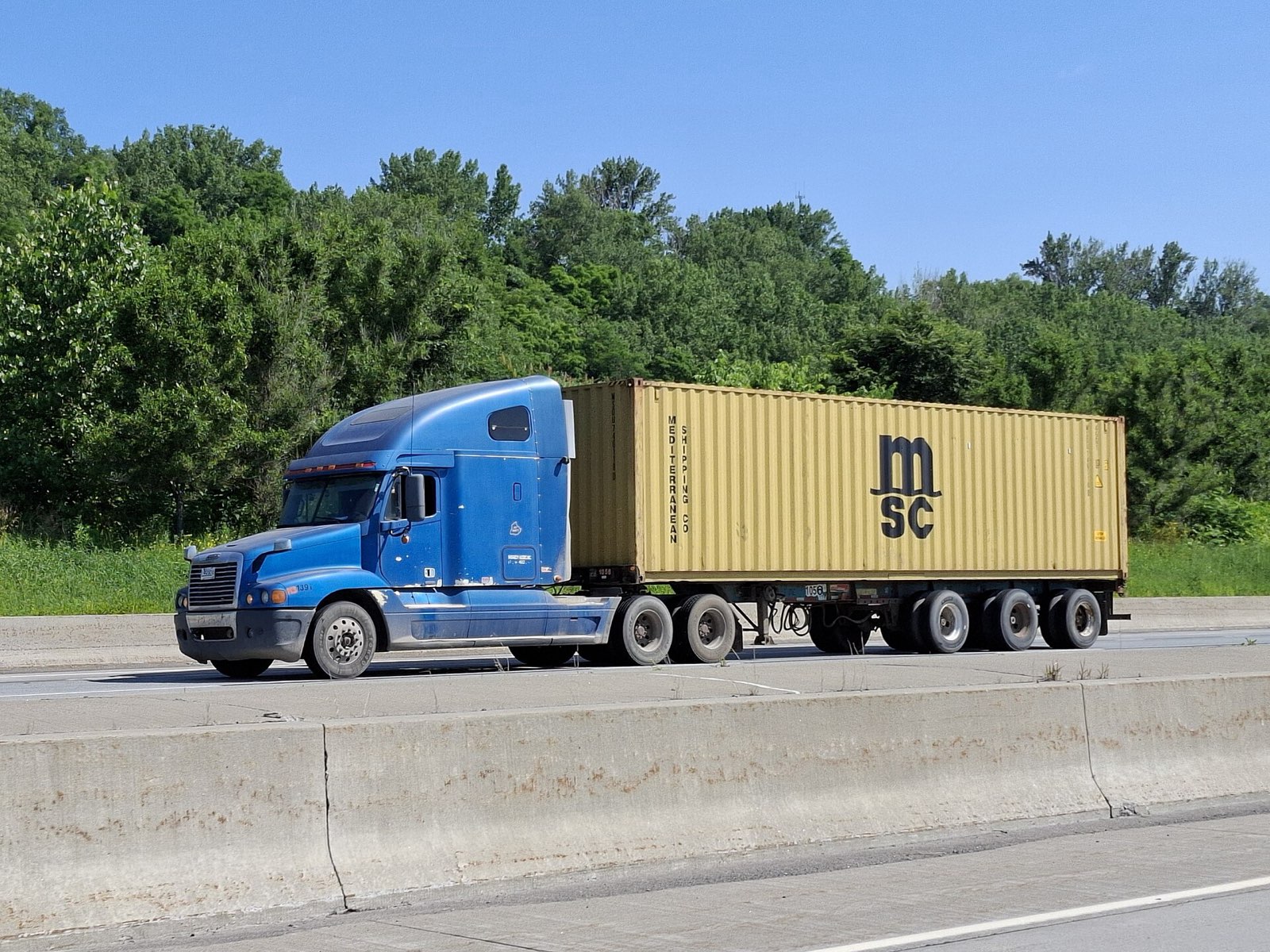
The trailer tilts and the container slides into place. It is usually the simplest option when there is enough straight, firm access.
No unloading equipment required on siteContainer delivery guide
A successful delivery depends on access, ground conditions, clearance, and the direction the container needs to face. Use this guide to identify issues before transportation is booked — we'd rather adjust the plan than fail the drop.
Delivery methods
The final method is selected with the transport provider after the container, route, and placement area are reviewed.
The trailer tilts and the container slides into place. It is usually the simplest option when there is enough straight, firm access.
No unloading equipment required on siteThe container arrives on a standard flatbed. You arrange a suitable crane, forklift, or other lifting equipment.
Useful when placement requires a separate liftSpecialized equipment can help with tighter placement, but it still requires stable access and room to deploy safely.
Quoted individually based on local availabilityPlanning dimensions
These are conservative planning guidelines, not a carrier approval. Trailer dimensions and maneuvering requirements vary, so the transport provider must confirm the exact site.
Ground and foundation
The truck and loaded trailer are substantially heavier than the empty container. The complete access route must support the delivery equipment, not just the final placement area.
Send photos of the entrance, approach, and pad to sales@containerspy.com. We'll tell you plainly whether it will work before anything is booked.
Before booking delivery
Photographs or a short video of the entrance, turns, approach, and placement area are often the fastest way to resolve uncertainty.
Send site photosWe review access, surface, and door direction with you before a driver is scheduled.